
www svenskaspel.se med betoning på ansvarsfullt spelande
www svenskaspel.se har på senare tid blivit synonymt med trygghet och pålitlighet i spelvärlden. Genom att lyfta fram www svenska spel casino kan vi förstå vilka mekanismer som skapar en ansvarsfull spelplattform.
See also:
- Att Komma Igång med www svenska spel tips: Din Guide
- Skärmdump av www svenskaspel.se
- Licensvillkor för www svenska spel tips – vad du bör veta
- Bonusvillkor och omsättningskrav hos www svenskaspel.se
- Spelpaus och självexkludering hos www svenskaspel.se
- Spelberoende hos www svenskaspel.se: varningssignaler att känna igen
Att Komma Igång med www svenska spel tips: Din Guide
The word ‘bra’ is a deceptively simple term that carries a profound weight in the history of fashion, engineering, and social norms. At its core, a bra is a form-fitting undergarment designed to support and shape the breasts, but its evolution from a restrictive corset to a symbol of liberation and personal expression reveals much about changing attitudes toward the female body. The earliest known predecessors of the modern bra date back to ancient civilizations; for instance, Minoan women wore a band of cloth that lifted and exposed the breasts, while Roman women used a ‘strophium’—a simple band of leather or linen—to restrain the bust during athletic activities. However, it was not until the late 19th century that the garment we recognize today began to take shape. In 1889, Herminie Cadolle, a French corsetière, introduced a two-piece undergarment that separated the bodice from the corset, calling it the ‘corselet gorge.’ This innovation marked a decisive break from the rigid steel-boned corsets that had long constricted women’s waists and pushed the bust upward, often causing respiratory and digestive issues. Cadolle’s design, which she patented in 1889, allowed for greater freedom of movement while still providing support, and it quickly gained popularity among women who sought relief from the physical toll of corsetry. The term ‘brassiere’ itself was popularized by the American socialite Mary Phelps Jacob, who in 1913 sewed together two silk handkerchiefs and a ribbon for a sheer evening gown, creating a lightweight alternative to the corset. She patented her design in 1914, and the name ‘brassiere’—derived from the French for ‘upper arm’ or ‘bodice’—was adopted by the fashion industry. Over the ensuing decades, the bra underwent countless iterations: the flapper-era ‘bandeau’ flattened the chest for the boyish silhouette of the 1920s; the 1940s introduced the ‘bullet bra’ with its pointed, conical cups, famously worn by actresses like Jane Russell; and the 1960s brought the ‘braless’ movement, as second-wave feminists burned bras in protest against objectification and restrictive beauty standards. Yet the bra’s story is not merely one of style; it is also a tale of technological innovation. The invention of nylon and spandex in the mid-20th century revolutionized bra construction, allowing for stretch, breathability, and a closer fit that conformed to the body’s natural contours. Today, bras come in an astonishing array of types—underwire, wireless, push-up, minimizer, sports, maternity, and bralettes—each engineered for specific activities, body shapes, and aesthetic preferences.
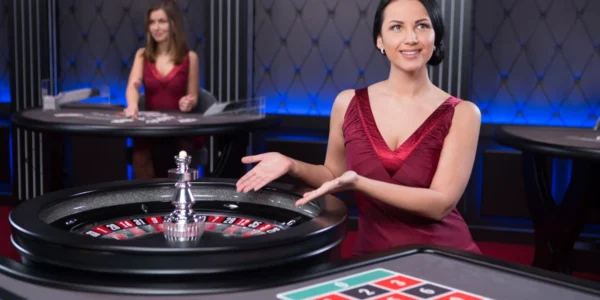
Skärmdump av www svenskaspel.se
Licensvillkor för www svenska spel tips – vad du bör veta
Licensing is a complex and multifaceted legal mechanism that governs the use, distribution, and protection of intellectual property, creative works, software, and various other assets. At its core, a license is a formal permission granted by a rights holder (the licensor) to another party (the licensee) to engage in activities that would otherwise be restricted by law, such as reproduction, modification, public performance, or commercial exploitation. This permission is typically documented in a licensing agreement, which outlines the specific terms, conditions, scope, duration, territory, and any financial considerations such as royalties or one-time fees. The concept of licensing spans numerous domains, including but not limited to copyright, patents, trademarks, trade secrets, and even real property or personal services. In the realm of software, licensing dictates how end users can install, run, copy, modify, or redistribute a program, with common models including proprietary licenses, open-source licenses like the GNU General Public License (GPL), MIT License, Apache License, and Creative Commons for creative content. Each license type carries distinct obligations and permissions; for instance, copyleft licenses require derivative works to be released under the same license, whereas permissive licenses allow more freedom with fewer restrictions. Beyond software, licensing is pivotal in industries such as music, film, publishing, pharmaceuticals, and franchising, where it enables creators and inventors to monetize their innovations while maintaining control over their use. A well-drafted license agreement must address issues like intellectual property ownership, warranties, indemnification, limitation of liability, termination clauses, and dispute resolution mechanisms, often including arbitration or choice-of-law provisions. Moreover, licensing can be exclusive, nonexclusive, or sole, with exclusivity granting the licensee the sole right to use the asset within a defined market, often commanding higher fees. The process of licensing also involves due diligence, where both parties assess the validity and enforceability of the underlying intellectual property, as well as any existing encumbrances or prior licenses. In the digital age, licensing has evolved to address challenges such as cloud computing, software-as-a-service (SaaS), open application programming interfaces (APIs), and data licensing, where data sets are treated as licensable assets with specific use restrictions. Furthermore, international licensing introduces complexities around cross-border enforcement, differing legal regimes, and compliance with export controls or data protection regulations like the General Data Protection Regulation (GDPR). The economic impact of licensing is substantial, generating billions in revenue annually and fostering innovation by allowing creators to share their work while retaining legal protections. However, licensing also carries risks, including the possibility of infringement, breach of contract, or inadvertent waiver of rights, necessitating careful negotiation and legal review. For individuals and small businesses, understanding licensing is crucial to avoid unintentional violations, such as using copyrighted images without permission or incorporating open-source code without complying with its license terms. Educational institutions and research organizations often rely on licensing agreements to access proprietary databases, software tools, or patented technologies for academic purposes, with special academic licenses sometimes offering reduced fees or broader usage rights. In the entertainment industry, licensing agreements cover everything from sample clearances in music to merchandising rights for film franchises, with each negotiation involving complex royalty structures based on sales, streams, or box office performance. The rise of user-generated content platforms has also spotlighted licensing, as users upload videos, music, or images that may contain third-party copyrighted material, prompting platforms to implement content ID systems and licensing partnerships. Additionally, patent licensing is particularly prevalent in technology sectors, where companies cross-license their patent portfolios to avoid litigation and promote interoperability, as seen in the smartphone industry where standard-essential patents are licensed on fair, reasonable, and non-discriminatory (FRAND) terms.
casino jackpot 2026 — casino jackpot games
online casino guide 2026 — hemligheterna bakom vinst
Spelare bör alltid läsa de allmänna villkoren för www svenskaspel.se.
free spins casino utan omsättningskrav 2026 — bästa free spins bonuser
Bonusvillkor och omsättningskrav hos www svenskaspel.se
- 42% upp till kr750
- kr1500 i bonus med 20 gratissnurr
- 25 gratissnurr vid registrering
- 50x spelomsättning
- 45x insatskrav
Spelpaus och självexkludering hos www svenskaspel.se
Åldersgränser och lagliga krav
Allt spelande som erbjuds via www svenskaspel.se är uteslutande avsett för vuxna, och den absoluta minimiåldern är 18 år. Det innebär att du som besökare måste vara minst 18 år fyllda för att få registrera ett konto, göra insättningar eller på något annat sätt delta i spelverksamheten. Åldersgränsen är inte en rekommendation utan ett juridiskt bindande krav som följer av svensk spellagstiftning, och den kontrolleras noggrant vid både registrering och uttag. Spelinspektionen är den myndighet som ansvarar för tillsynen av den svenska spelmarknaden och som utfärdar de licenser som alla seriösa aktörer måste inneha. Om du är under 18 år får du inte spela, och du bör heller aldrig låna ut ditt konto eller dina inloggningsuppgifter till någon som är minderårig. Det är också förbjudet att hjälpa minderåriga att kringgå ålderskontrollen, och sådana överträdelser kan leda till att kontot stängs permanent.
Självexkludering och verktyg för att ta paus
Om du upplever att spelandet börjar ta över din vardag finns det effektiva verktyg som hjälper dig att ta en paus eller helt stänga av dig från spel. Genom Spelpaus.se, den nationella självexkluderingstjänsten som administreras av Spelinspektionen, kan du tillfälligt eller permanent blockera dig från alla spelbolag som har svensk licens. Tjänsten är kostnadsfri och gäller omedelbart efter att du har bekräftat din avstängning, vilket innebär att du inte längre kan spela hos www svenskaspel.se eller någon annan licensierad operatör under den valda perioden. Du kan välja att stänga av dig i allt från en dag till ett år, eller tills vidare. Utöver Spelpaus rekommenderar vi starkt att du använder de verktyg som www svenskaspel.se erbjuder direkt i ditt konto, såsom insättningsgränser, förlustgränser, sessionspåminnelser och möjligheten att sätta en tillfällig time-out. Dessa funktioner hjälper dig att behålla kontrollen och skapa sunda spelvanor.
relax gaming — spelleverantörer | relax gaming
Var du kan få stöd och hjälp
Om du eller någon i din närhet har problem med spelberoende finns det professionell hjälp att få, och du behöver aldrig hantera situationen ensam. Stödlinjen är en nationell hjälplinje dit du kan ringa anonymt på 020-81 91 00 för att prata med utbildade rådgivare om spelproblem, oavsett om det gäller dig själv eller en anhörig. Samtalet är gratis och du kan vara helt anonym, och rådgivarna kan guida dig vidare till rätt vårdinstans om det behövs. Utöver Stödlinjen finns även kommunala stödverksamheter och vårdcentraler som erbjuder samtalsstöd och behandling för spelberoende. Att söka hjälp i tid är avgörande, och det finns ingen skam i att be om stöd. Kom ihåg att spelande ska vara ett nöje och underhållning, aldrig ett sätt att tjäna pengar eller att jaga tillbaka förluster. Sätt alltid upp tydliga gränser för både tid och pengar innan du börjar spela, och håll dig till dessa gränser oavsett hur spelet utvecklas. Spela aldrig för pengar du inte har råd att förlora, och ta regelbundna pauser för att reflektera över dina spelvanor.
Den bästa strategin för www svenskaspel.se inkluderar att jämföra olika erbjudanden.
Spelberoende hos www svenskaspel.se: varningssignaler att känna igen
Spela ansvarsfullt — och kom ihåg att allt spelande är till för nöjes skull, aldrig för att vinna tillbaka förluster. Spel är endast tillåtet för personer som fyllt 18 år. www svenskaspel.se uppmanar dig att sätta upp egna insättnings- och tidsgränser innan du börjar spela. Verksamheten regleras av Spelinspektionen. Om du känner att spelandet blir problematiskt kan du spärra dig från allt licensierat spel via Spelpaus.se, och du kan alltid få kostnadsfritt stöd och rådgivning från Stödlinjen på 020-81 91 00. Spela med måtta — det ska vara underhållning, inte en flykt från verkligheten.
Recent Comments